Physical Address
304 North Cardinal St.
Dorchester Center, MA 02124
Physical Address
304 North Cardinal St.
Dorchester Center, MA 02124
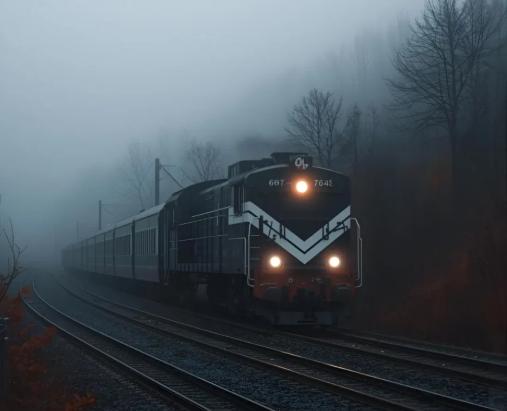
Train dreams often feel symbolic because trains follow a fixed track. Unlike cars, which you steer freely, trains move along predetermined routes. This makes them powerful metaphors for life direction, structure, and timing. When a train appears in your dream, your mind may be reflecting on where you are headed and whether you feel in control of that journey.
Trains also carry many people at once, which can symbolize shared expectations, social roles, or collective pressure. The rhythm and momentum of a train mirror the pace of your life. These layered meanings give train dreams emotional weight and lasting impact.
Missing a Train
Missing a train often reflects opportunity dislocation or quiet fears about timing. You may worry that a significant moment has passed or that you were not fully prepared when it mattered.
Running to Catch a Train
Running to catch a train can symbolize performance urgency and internal pressure. This dream often appears during competitive phases of life when you feel pushed to keep pace with expectations or deadlines.
Train Moving Smoothly
A smoothly moving train suggests aligned momentum and confidence in your current direction. It may indicate that your efforts feel coordinated and that your life path carries a sense of stability and flow.
Train Derailment
A derailment often signals trajectory disruption or sudden change. This scenario can mirror anxiety about losing control, unexpected setbacks, or shifts that challenge your sense of security.
Waiting at a Train Station
Waiting at a station reflects transitional suspension. You may be between phases, sensing that something new is approaching but not yet in motion. This dream highlights patience, readiness, and quiet anticipation.
From a spiritual standpoint, trains often symbolize the journey of life and the movement of destiny. Because a train travels on fixed tracks, it can represent fated alignment or the sense that certain experiences unfold according to a larger design. Some belief systems interpret this imagery as a reminder that not every turn in life is random. There may be an unseen structure guiding growth.
At the same time, trains carry many passengers, which can reflect collective current rather than purely individual choice. You may be moving with family expectations, cultural patterns, or shared responsibilities. Spiritually, this can raise questions about whether you are honoring your personal calling or simply following a route laid out by others.
If you are driving the train, the symbolism shifts toward soul stewardship and conscious participation in your path. If you are seated quietly as a passenger, the dream may suggest trust, surrender, or even passive acceptance.
Ultimately, train dreams invite reflection on direction. They ask whether your outer journey aligns with your inner compass and whether your movement feels intentional or automatic.
Not every train dream carries spiritual symbolism. Sometimes it reflects plain psychological strain. Trains move on strict schedules, follow fixed routes, and rarely pause for individual needs. When your waking life feels just as rigid, your mind may translate that pressure into train imagery.
If you dream about missing a train, rushing through crowded platforms, or feeling trapped inside a moving carriage, your nervous system may be signaling overload. These dreams often appear during periods of deadline pressure, career competition, or major life transitions. The train becomes a symbol of external expectations that feel larger than your personal pace.
A fast moving train can mirror racing thoughts. A stalled train may reflect frustration or burnout. A derailment can surface when you fear losing control or facing unexpected change.
Sleep science also offers a practical layer. When stress hormones remain elevated, the brain becomes more reactive during dreaming. It uses strong visual metaphors to process unresolved tension.
In these cases, the dream is not predicting failure. It is highlighting strain. Paying attention to stress levels, rest patterns, and emotional load can reduce the intensity and frequency of such dreams.
Start by focusing on the emotion, not just the event. Did you feel calm, rushed, anxious, relieved, trapped, or confident? Emotion is the doorway to meaning. The train itself is the symbol, but your reaction reveals the personal context.
Next, consider direction. Where was the train going? Did you know the destination, or did it feel uncertain? This often mirrors clarity or confusion about your current life path. Ask yourself whether you feel aligned with your goals or simply moving because momentum carries you forward.
Pay attention to your role. Were you a passenger, an observer, or in control? Being a passenger may reflect trust or lack of agency. Driving the train may signal responsibility or leadership. Waiting at the station could point to transition.
It helps to journal within a day of the dream. Write freely without trying to interpret too quickly. Patterns often surface when you describe real life pressures alongside the dream details.
Most importantly, reflect gently. A train dream is rarely a warning. It is usually a mirror showing how you experience movement, timing, and control in your waking life.
Train dreams speak in the language of movement, direction, and timing. They often surface when you are thinking about progress, change, or control in your waking life. Whether you are rushing to catch a train, sitting calmly as it moves forward, or standing on a quiet platform, the imagery reflects how you experience your personal journey.
Rather than predicting the future, these dreams highlight your relationship with momentum and choice. When you pause to reflect on the emotions involved, you gain clarity about where you feel aligned and where you feel pressured. In that awareness, the real insight begins.
What does a train symbolize in dreams?
A train often symbolizes life direction, structure, and momentum. Because trains run on fixed tracks, they commonly represent a path you are following, whether by choice or circumstance. The dream usually reflects how you feel about your current direction.
Is missing a train in a dream a bad sign?
Not necessarily. Missing a train often reflects anxiety about timing or opportunity. It may suggest fear of falling behind or feeling unprepared, rather than predicting actual loss.
What does a train derailment mean spiritually?
Spiritually, a derailment can symbolize disruption or unexpected change. Psychologically, it may reflect fear of losing control or instability during stressful periods.
Why do I keep dreaming about trains?
Recurring train dreams usually point to ongoing concerns about progress, career, relationships, or major life transitions. Repetition suggests the theme deserves attention.
Does being a passenger in a train dream mean lack of control?
Sometimes. Being a passenger can reflect trust in the process, shared responsibility, or feeling guided by external forces. The emotional tone of the dream determines whether it feels empowering or restrictive.
