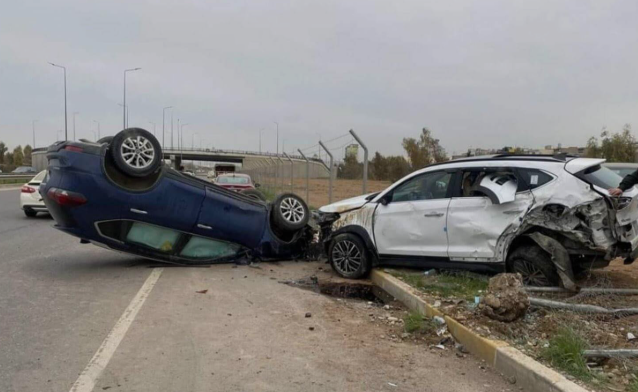
Dreams about car crashes can leave a lingering sense of shock long after you wake up. You might find yourself sitting on the edge of your bed, heart racing, trying to process a scene that felt so real it almost hurt. While these dreams can be alarming, they are more than random flashes of fear—they are the mind’s way of communicating. Our subconscious often uses vivid, dramatic imagery to process emotions, stress, or unresolved experiences. A car crash in a dream may symbolize more than just physical danger; it can reflect feelings of losing control, fear of failure, or anxiety about unexpected life changes.
Recurring car crash dreams are especially significant because they hint at unresolved internal conflicts. Perhaps there’s stress you haven’t addressed, a relationship that feels unstable, or a fear about your personal or professional path. Even though the imagery is intense, these dreams can act as a guide, pointing toward areas in your life that require attention, reflection, or adjustment. Understanding what your mind is trying to communicate can transform fear into insight, giving you a clearer perspective on both your emotions and your waking life.
The Science of Dreams and Car Accidents:
The Brain Processes Fear During Sleep: Dreams about car crashes often arise from the brain’s way of simulating high-stress scenarios. The amygdala, the area responsible for detecting threats, is highly active during REM sleep, which explains the intense fear and urgency felt in these dreams.
Stress Hormones Amplify the Experience: Cortisol and adrenaline, released during stressful periods of waking life, can influence dream intensity. High levels of these hormones make car crash dreams more vivid and emotionally charged.
Subconscious Problem-Solving: Dreams often reflect unresolved concerns. Car crash imagery can symbolize situations where you feel out of control or anticipate unexpected obstacles. The brain uses these symbolic “crashes” to rehearse potential solutions or prepare emotionally.
Trauma and Anxiety Influence Dream Content: People who have experienced accidents, near-misses, or high anxiety are more likely to dream about crashes. The mind revisits these scenarios to process trauma or rehearse responses to similar stressors.
Sleep Quality Impacts Dream Frequency: Poor sleep or disrupted REM cycles can increase the likelihood of vivid and recurring car crash dreams. Mental exhaustion amplifies the brain’s tendency to dramatize threats in dreams.
Emotional Residue Carries Over: Even after waking, the emotions experienced in these dreams—fear, panic, helplessness—can linger, indicating that the dream served a purpose in processing stress.
What Your Brain Does When You Dream of Crashes:
Heightened Amygdala Activity: During REM sleep, the amygdala—the brain’s center for detecting threats—becomes highly active. This explains why car crash dreams often feel intense, urgent, and frightening.
Memory Integration: The brain processes recent events, unresolved conflicts, or past traumas while you sleep. Car crashes in dreams may symbolize situations where you felt out of control or unsafe in waking life.
Emotional Processing: Dreams act as an emotional rehearsal. By simulating a car crash, your brain allows you to experience fear, panic, or helplessness in a safe environment, helping regulate emotions and stress.
Problem-Solving Function: The subconscious can use dramatic scenarios to explore solutions. Dreaming of a crash may reflect your brain’s attempt to navigate challenges, anticipate risks, or work through anxiety-provoking situations.
Stress Hormone Influence: High cortisol or adrenaline levels from waking-life stress can intensify dream imagery. This makes the experience feel real and emotionally charged, leaving a lasting impression after you wake.
Connection to Trauma or Anxiety: Individuals with past accidents, ongoing anxiety, or significant life stress are more likely to experience vivid crash dreams. These dreams serve as the brain’s way of rehearsing and processing stressful experiences.
Physical Responses During Sleep: Rapid heartbeat, sweating, or sudden muscle tension often accompany crash dreams, showing how closely the brain and body interact even during sleep.
Common Interpretations of Car Crash Dreams:
Loss of Control: A car crash often symbolizes situations in life where you feel powerless or unable to steer events in your favor. It may reflect work pressures, relationship struggles, or personal challenges.
Fear of Failure: Dreaming about an accident can point to anxiety about making mistakes or failing at something important. The “crash” acts as a metaphor for potential setbacks or obstacles.
Life Transitions: Major changes—such as moving, career shifts, or relationship transitions—can trigger car crash dreams. They represent the emotional turbulence that comes with navigating uncertainty.
Suppressed Anxiety or Stress: These dreams can emerge when stress or worries are not fully acknowledged in waking life. The crash allows the subconscious to confront these feelings safely.
Guilt or Regret: Car accidents in dreams may symbolize unresolved guilt or past decisions weighing on your mind. The crash represents emotional collisions with your conscience.
Relationship Conflicts: Crashes can indicate turmoil in personal connections, where communication breaks down or emotions become overwhelming.
Warning or Caution: Some experts suggest these dreams act as a subconscious alert, highlighting areas of life that need attention, reflection, or a change in approach.
Emotional Experience in Car Crash Dreams
Car crash dreams are rarely just about the imagery—they are deeply tied to how you feel. The emotions experienced during these dreams can be intense, often mirroring stressors or fears in waking life.
Fear and Panic: The most common emotion is fear, often accompanied by a racing heart or a sense of helplessness. Your mind simulates danger to process anxiety safely.
Helplessness: Many people feel out of control, reflecting situations in life where they feel powerless or uncertain. The dream mirrors your subconscious struggles with navigating challenges.
Anger or Frustration: Sometimes, the crash evokes anger—at yourself, others, or circumstances. These emotions highlight unresolved conflicts or unmet expectations.
Guilt and Regret: Emotional residue from past decisions or mistakes can manifest as a symbolic collision, reminding you of lessons yet to be fully integrated.
Sadness or Grief: Some dreams leave a lingering sense of loss or disappointment, often connected to personal setbacks or life transitions.
Causes of Car Crash Dreams
High Stress Levels: Ongoing pressure at work, financial strain, or family responsibilities can overwhelm the mind. When stress builds up, the brain often expresses this tension through dramatic dream imagery such as car crashes.
Anxiety About the Future: Worry about what lies ahead, whether related to career, health, or relationships, can surface in dreams as sudden accidents. The crash reflects fear of the unknown or concern about things going wrong.
Past Traumatic Experiences: Individuals who have experienced real-life accidents or near-misses may replay similar scenarios in dreams. The brain revisits these memories as part of emotional processing and healing.
Major Life Changes: Transitions such as a new job, relocation, marriage, or separation can trigger feelings of instability. Car crash dreams often appear during periods of emotional or practical upheaval.
Suppressed Emotions: When feelings like anger, grief, or fear go unexpressed during the day, they tend to surface at night. The crash becomes a symbolic release of bottled-up emotions.
Poor Sleep and Mental Fatigue: Irregular sleep patterns, exhaustion, or burnout can increase the intensity and frequency of disturbing dreams. A tired brain struggles to regulate emotional content during REM sleep.
Signs and Symptoms to Notice
Frequent Recurrence of the Same Dream: Repeated car crash dreams suggest unresolved stress, fear, or emotional conflict that your mind continues to process.
Strong Emotional Residue After Waking: Feelings such as fear, anxiety, sadness, or irritability that linger into the day can signal that the dream connects to real emotional strain.
Sleep Disruption: Waking suddenly from the dream, struggling to fall back asleep, or experiencing restless sleep points to heightened nighttime arousal.
Physical Stress Responses: Rapid heartbeat, sweating, shallow breathing, or muscle tension during or after the dream reflect the body’s stress response during REM sleep.
Daytime Preoccupation: Constantly thinking about the dream or worrying about its meaning may indicate underlying anxiety or emotional overload.
Avoidance Behaviors: Some people become more fearful of driving or risky situations after such dreams, showing that the emotional impact carries into waking life.
Mood Changes: Irritability, low mood, or reduced focus during the day can follow intense or recurring car crash dreams.
Sign or Symptom
What It May Reflect
Repeated car crash dreams
Ongoing unresolved stress or anxiety
Waking with fear or panic
Heightened emotional arousal during sleep
Sweating or rapid heartbeat
Strong stress response from the nervous system
Poor sleep quality
Mental overload or emotional fatigue
Fear of driving after dreams
Carryover of dream-related anxiety into daily life
Persistent low mood
Emotional strain that needs attention
How to Respond and Cope
Pause and Reflect on the Emotion, Not Just the Image: Instead of focusing only on the crash, notice how you felt in the dream. Fear, helplessness, or anger often point to specific stressors in waking life.
Keep a Simple Dream Journal: Writing down key details and emotions helps you spot patterns over time. This practice builds awareness of triggers such as work stress, conflict, or major decisions.
Address Daytime Stress Directly: Car crash dreams often reflect overload. Small changes like setting boundaries, prioritizing rest, or delegating tasks can reduce mental strain.
Practice Wind-Down Routines Before Sleep: Gentle breathing, stretching, or a short period of quiet reflection helps the nervous system settle, making intense dreams less likely.
Reframe Anxious Thoughts: When worries spiral during the day, challenge worst-case thinking with balanced, realistic perspectives. This reduces the emotional charge that fuels vivid dreams.
Use Grounding Techniques After Waking: If a dream leaves you shaken, notice your surroundings, take slow breaths, and remind yourself that you are safe now.
Seek Support When Needed: Talking with a therapist or counselor can help unpack recurring dreams, especially if they connect to anxiety, trauma, or ongoing life pressures.
When to Seek Professional Help
Dreams Become Frequent or Disturbing: If car crash dreams occur often and feel increasingly intense, this may signal ongoing emotional distress that needs professional support.
Sleep Quality Declines: Ongoing nightmares that disrupt sleep, cause repeated awakenings, or lead to chronic fatigue can affect mental and physical health over time.
Strong Daytime Anxiety or Fear: When the emotional impact of dreams spills into your day, such as persistent fear, irritability, or difficulty concentrating, it points to deeper anxiety that may benefit from guidance.
Past Trauma Resurfaces: Individuals with a history of accidents, loss, or other traumatic experiences may find that crash dreams reopen unresolved emotional wounds. Professional care can support safe processing.
Avoidance Behaviors Develop: Avoiding driving, travel, or daily responsibilities due to fear triggered by dreams suggests that the dreams now influence daily functioning.
Mood Changes Persist: Low mood, emotional numbness, or ongoing stress linked to recurring dreams may reflect underlying mental health concerns that deserve attention.
Self-Help Does Not Ease the Dreams: If relaxation practices and stress management do not reduce dream frequency, structured therapeutic support can help address root causes.
Sign
Why It Matters
Frequent recurring nightmares
Indicates unresolved emotional stress
Ongoing sleep disruption
Increases risk of burnout and mood difficulties
Daytime anxiety or panic
Suggests broader anxiety patterns
Trauma-linked dreams
Points to unresolved emotional processing
Avoidance of daily activities
Affects quality of life and functioning
Low mood or emotional numbness
May reflect underlying mental health strain
No relief with self-care
Signals need for structured professional support
Frequently Asked Questions
Does dreaming about a car crash mean something bad will happen? No. Car crash dreams do not predict real-life accidents or future harm. They reflect emotional states such as stress, fear, or feeling out of control. The mind uses dramatic imagery to process internal tension, not to warn of literal events.
Why do I keep having the same car crash dream again and again? Recurring dreams usually point to unresolved stress or emotional conflicts. When the underlying issue remains unaddressed, the mind repeats the theme. Identifying what currently feels overwhelming or unstable in your life often helps reduce repetition.
Can anxiety cause dreams about car accidents? Yes. Ongoing anxiety heightens emotional activity during sleep, which can produce vivid and intense dreams. Car crashes often symbolize fear of losing control, making mistakes, or facing sudden changes.
What if I have never been in a real car accident? You do not need personal experience for such dreams to occur. The mind uses shared symbols. A car crash can represent emotional collisions, life pressures, or internal conflict rather than a literal memory.
How can I reduce disturbing car crash dreams? Improving sleep routines, managing daily stress, and reflecting on emotional triggers often help. If dreams remain intense or frequent, speaking with a mental health professional can support deeper emotional processing and restore restful sleep.