Physical Address
304 North Cardinal St.
Dorchester Center, MA 02124
Physical Address
304 North Cardinal St.
Dorchester Center, MA 02124
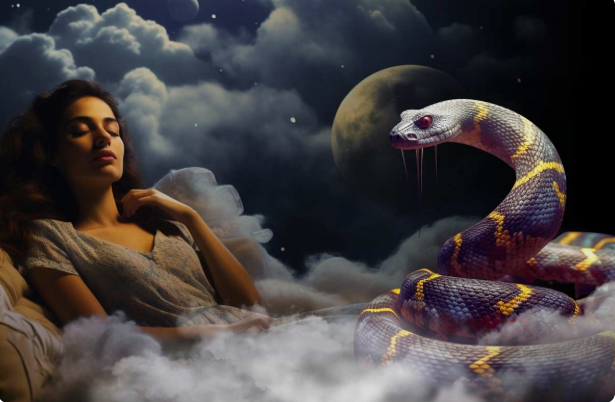
Snakes occupy a unique and powerful place in Hindu culture, symbolizing both fear and reverence. They are not merely creatures of the natural world but are deeply woven into mythology, spirituality, and daily rituals. Understanding their significance helps interpret snake dreams through a culturally informed lens, revealing layers of symbolic meaning.
In Hindu mythology, snakes—or Nagas—are divine beings associated with protection, wisdom, and cosmic power. They appear in sacred texts like the Mahabharata and Puranas, often guarding treasures or serving as companions to deities. Lord Shiva wears a serpent around his neck, symbolizing mastery over primal energy and fear. In the story of Lord Vishnu, the serpent Shesha supports the universe, representing stability, eternity, and the cyclical nature of life. These mythological narratives highlight snakes as more than dangerous animals—they are symbols of transformation, spiritual growth, and cosmic order.
Beyond mythology, snakes influence Hindu daily life and rituals. People often revere them during festivals like Nag Panchami, offering milk and prayers to seek protection from harm and misfortune. Snakes symbolize fertility, renewal, and hidden wisdom, reflecting the dual nature of danger and guidance. Even in folklore, snake encounters in dreams or reality are interpreted as signs of change, warning, or divine communication. This cultural backdrop gives snake dreams a layered meaning, blending fear, respect, and spiritual insight.
Hindu astrology, or Jyotish, views dreams not as random images but as reflections of cosmic influence. Certain planets, stars, and celestial patterns are believed to shape the themes and emotions within dreams. Interpreting snake dreams through this lens requires understanding how planetary energies interact with the individual’s natal chart.
| Principle | Key Points | Implication in Snake Dreams |
|---|---|---|
| Planets and Nakshatras | Mercury, Ketu, Rahu; lunar mansions | Shapes the theme, emotion, and symbolic meaning of the snake dream |
| Zodiac Sign (Rashi) | Each sign reacts differently to planetary energies | Influences interpretation, e.g., fears vs. hidden power struggles |
| Timing and Lunar Phases | New moon, full moon | Alters emotional intensity or signals beginnings/endings |
| Transits and Dasha | Planetary periods affecting life events | May trigger recurring snake dreams or spiritual lessons |
| Integration with Intuition | Attention to feelings and personal context | Helps decode the personal significance beyond astrology |
While Hindu astrology provides symbolic and spiritual insights, psychology helps us understand the internal and emotional dimensions of snake dreams. From a mental health perspective, snakes often appear as reflections of subconscious fears, repressed emotions, or unresolved conflicts. Dreams act as a stage where the mind processes stress, anxiety, and internal dilemmas.
Stressful events, personal challenges, or feelings of vulnerability may cause snakes to appear in dreams. For example, encountering a snake might reflect suppressed anger, fear of betrayal, or anxiety about an uncertain future. The emotional intensity of the dream often mirrors the intensity of real-life stressors.
Carl Jung’s theory of archetypes suggests that snakes represent primal instincts, transformation, or hidden wisdom. Recurring snake dreams may indicate that the subconscious is pushing the dreamer to confront unresolved issues or embrace personal growth. Even if the imagery is frightening, it can guide self-reflection, signaling areas where attention and emotional work are needed.
By combining emotional awareness with symbolic analysis, one can approach snake dreams not as mere threats but as messages from the subconscious mind, revealing hidden fears, untapped potential, and pathways for growth.
| Aspect | Key Points | Possible Meaning in Dreams |
|---|---|---|
| Emotional Triggers | Stress, anxiety, personal challenges | Snake may reflect fear, tension, or unresolved feelings |
| Repressed Emotions | Anger, guilt, jealousy, grief | Dreams provide a safe space to confront suppressed emotions |
| Subconscious Archetypes | Primal instincts, transformation, hidden wisdom | Snake symbolizes personal growth, transformation, or life lessons |
| Recurring Dreams | Frequent or vivid snake dreams | Signals unresolved issues or areas needing emotional attention |
| Self-Reflection | Emotional awareness and journaling | Encourages understanding of inner fears and potential opportunities |
Snake dreams can vary widely, and each scenario offers unique insights into our inner world. Understanding the context helps decode the symbolic messages.
Experiencing recurring snake dreams can feel unsettling, but frequency often signals that the subconscious is trying to draw attention to unresolved issues or recurring life patterns. Repeated appearances of snakes may reflect persistent fears, ongoing stress, or unresolved conflicts that the mind is processing while awake.
From a psychological perspective, frequent snake dreams often indicate that certain emotions—such as anxiety, repressed anger, or uncertainty—require conscious attention. The dream acts as a mirror, prompting reflection on areas where personal boundaries, relationships, or decision-making may need adjustment.
In Hindu astrology, frequent snake dreams can also correlate with planetary influences or ongoing Dasha periods. For example, Ketu’s energy may bring repetitive symbolic dreams as a nudge toward spiritual lessons or detachment from outdated habits. Similarly, Rahu’s influence can trigger vivid or intense dreams that encourage awareness of illusions or hidden challenges in daily life.
Practical approaches to managing frequent snake dreams include keeping a detailed dream journal, practicing mindfulness or meditation, and reflecting on recurring patterns in waking life. Consulting an astrologer or counselor can provide additional perspective, helping interpret the symbolic messages and guiding personal growth.
Ultimately, frequent snake dreams are less a cause for fear and more an invitation to engage with inner emotions, intuition, and spiritual development. Paying attention to these signals can foster insight, transformation, and emotional balance.
Negative or frightening snake dreams can leave lingering anxiety or unease. Hindu astrology and psychological practices provide remedies to help process these dreams, reduce fear, and integrate their messages:
Experiencing a snake in a dream can leave a lingering sense of curiosity, unease, or reflection. While interpretations vary, there are practical steps to help integrate the message into daily life and gain personal clarity.
Consulting a Pandit or experienced astrologer can provide clarity and guidance after experiencing a snake dream. These experts interpret dreams in the context of Hindu astrology, connecting the symbolism of snakes to planetary positions, Nakshatras, and your personal Dasha periods. By examining your natal chart, a Pandit can identify underlying influences that may be triggering recurring or vivid dreams and offer remedies to restore balance.
Astrologers can suggest spiritual practices such as specific mantras, rituals, or offerings to alleviate fear, redirect energy, and support personal growth. They may also provide guidance on auspicious timings, meditation techniques, or lifestyle adjustments to harmonize subconscious and conscious experiences.
Additionally, Panditji’s services often combine symbolic interpretation with practical advice, helping you understand the emotional and psychological layers of the dream. This holistic approach ensures that snake dreams are seen not merely as omens, but as messages that guide reflection, intuitive insight, and personal transformation.
What does it mean if I dream of a snake biting me?
A snake bite in a dream often symbolizes hidden challenges or personal fears. In Hindu astrology, it may indicate planetary influences such as Rahu or Ketu triggering lessons related to caution, vigilance, or spiritual growth. Emotionally, it reflects anxieties or unresolved conflicts in daily life.
Do the colors of snakes in dreams have significance?
Yes, color plays a symbolic role. Black snakes may represent suppressed fears, white snakes indicate spiritual insight, green snakes suggest healing or vitality, and red snakes point to anger or intense emotions. Observing color adds nuance to dream interpretation.
Are repeated snake dreams dangerous?
Recurring snake dreams are not dangerous. They signal that the subconscious is highlighting unresolved issues or recurring life patterns. Paying attention to emotions and context helps transform fear into insight and personal growth.
Can astrology help me stop negative snake dreams?
Hindu astrology provides remedies such as chanting Nag mantras, observing rituals, or following guidance from a Pandit regarding planetary influences and auspicious timings. Combined with mindfulness and reflection, these practices can reduce anxiety and provide clarity.
Do snake dreams have positive meanings?
Absolutely. Snakes can symbolize transformation, renewal, and hidden wisdom. Dreams of snakes shedding skin or being peaceful often indicate personal growth, emotional healing, or spiritual awakening.