Physical Address
304 North Cardinal St.
Dorchester Center, MA 02124
Physical Address
304 North Cardinal St.
Dorchester Center, MA 02124
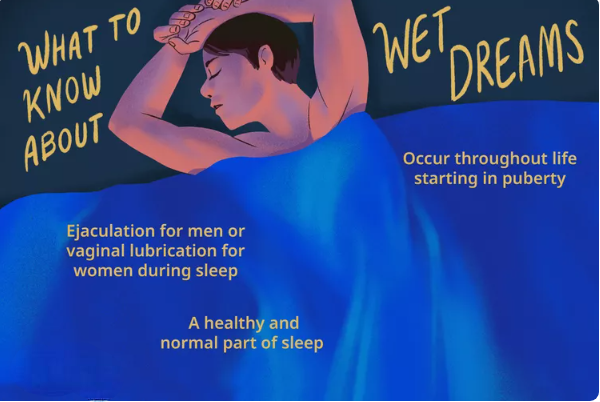
Wet dreams, or nocturnal emissions, sit at the crossroads of biology and private life, so knowing what they mean matters more than you might think. Decades of sleep and sexual development research show these events reflect normal nervous system maturation, hormonal rhythm, and the brain’s nightly rehearsal of emotion. For teens they signal puberty taking hold; for adults they confirm an intact sexual system. Yet stigma twists a harmless body process into shame. Understanding the science clears confusion, eases anxiety, and helps people respond with curiosity and self-compassion instead of alarm. This article guides you through evidence, empathy, and practical steps.
A wet dream, known medically as a nocturnal emission, is an involuntary sexual release that occurs during sleep. It reflects normal physiological processes rather than conscious choice or moral meaning. To understand the wet dream meaning clearly, it helps to look at what happens inside the body and brain.
• During rapid eye movement sleep, the brain becomes highly active. This stage increases emotional imagery and stimulates areas linked to desire and arousal.
• In males, sexual stimulation during sleep can trigger ejaculation without manual contact. In females, it may involve vaginal lubrication or even orgasm.
• Hormonal cycles, especially testosterone fluctuations, influence how often nocturnal emissions occur. Levels tend to peak during adolescence and early adulthood.
• The autonomic nervous system controls these responses. Because it operates outside conscious awareness, a person cannot prevent or initiate the event deliberately.
Sleep researchers note that the brain does not shut down at night. It rehearses emotion, memory, and bodily sensation. Sexual response is part of that natural rehearsal. A wet dream does not signal excess desire, repression, or dysfunction. It signals that the reproductive and nervous systems are functioning as designed.
Wet dream meaning becomes clearer when we examine the biological systems working quietly during sleep. Nocturnal emissions are not random events. They reflect coordinated hormonal shifts, neural activation, and reproductive physiology functioning as intended.
• Hormonal regulation plays a central role. Testosterone in males and fluctuating estrogen and progesterone in females influence sexual arousal patterns. During adolescence, rising testosterone strongly correlates with increased frequency of nocturnal emissions.
• REM sleep intensifies brain activity. The limbic system, especially structures linked to emotion and reward, becomes highly active. This activation can generate vivid sexual imagery and physiological arousal.
• The autonomic nervous system triggers genital blood flow during sleep. In males, this may lead to ejaculation. In females, it may produce lubrication or orgasmic contractions.
• The body periodically releases built up seminal fluid in males as part of normal reproductive maintenance.
Sleep studies show that several erections occur naturally during REM cycles, whether or not sexual dreams are remembered. The body does not require conscious fantasy to initiate response. Wet dreams simply reveal that endocrine rhythms, neural circuits, and reproductive organs are synchronized and healthy.
| Biological System | Role in Wet Dreams |
|---|---|
| Hormonal System | Regulates sexual drive and arousal patterns |
| REM Sleep Cycles | Increase emotional and sensory brain activity |
| Autonomic Nervous System | Controls involuntary sexual response |
| Reproductive Organs | Release fluid as part of normal function |
Wet dream meaning is not only biological. It also reflects the inner landscape of the mind. Sleep research shows that dreams often process emotion, identity, and unresolved tension. Sexual imagery can emerge as part of that psychological integration.
• The dreaming brain amplifies emotion. During REM sleep, the limbic system becomes more active while logical control from the prefrontal cortex softens. This shift allows desire, curiosity, and vulnerability to surface without daytime filters.
• Adolescents often experience wet dreams alongside identity formation. The mind explores attraction, fantasy, and boundaries in a private and symbolic way.
• Adults may notice wet dreams during periods of stress, relationship change, or emotional longing. The brain sometimes expresses unmet needs through symbolic sexual imagery.
• Not all wet dreams reflect conscious desire. Some represent anxiety about intimacy, performance concerns, or emotional closeness.
Psychologically, a wet dream does not expose hidden secrets. It reveals that the mind is rehearsing experiences and integrating feeling. Sexual themes are powerful because they connect to attachment, identity, and pleasure. When understood calmly, wet dreams become less mysterious and more human.
Wet dream meaning shifts subtly across the lifespan. The experience may look similar on the surface, but the underlying biology and psychology differ between adolescents and adults.
• In adolescence, nocturnal emissions often mark sexual maturation. Rising testosterone levels, increased REM intensity, and rapid brain development create a perfect biological storm for frequent wet dreams. For many teens, this is one of the first visible signs that puberty is progressing normally.
• Teen brains are still forming identity. Sexual dreams during this stage often reflect curiosity, experimentation, and the early shaping of attraction patterns.
• In adulthood, frequency usually declines as hormonal levels stabilize. However, wet dreams can still occur, especially during periods of sexual inactivity or emotional change.
• Adults may experience them when stress increases or when the brain processes relationship themes. The meaning becomes less about development and more about regulation and release.
Research consistently shows that nocturnal emissions remain a normal part of male sexual function throughout life. They do not signal immaturity or excess desire. Instead, they reflect a healthy interaction between endocrine rhythms, sleep cycles, and emotional processing at different life stages.
Misunderstandings about wet dream meaning often create unnecessary fear and shame. Cultural silence has allowed myths to spread faster than science. Let us correct them clearly and confidently.
• Myth: Wet dreams mean something is wrong.
Medical evidence shows nocturnal emissions are a normal sign of reproductive health. They reflect hormonal regulation and REM sleep activity, not disease or dysfunction.
• Myth: Only teenage boys experience them.
While more common during puberty due to rising testosterone, adult men can have wet dreams throughout life. Females can also experience sleep related orgasm and lubrication.
• Myth: Wet dreams reveal hidden moral failure.
Dream content does not equal conscious intention. The sleeping brain activates emotional and sexual imagery without ethical judgment or deliberate choice.
• Myth: Frequent wet dreams signal excessive desire.
Frequency varies naturally. Hormones, stress levels, and sleep cycles all influence occurrence. Variation does not indicate imbalance.
Accurate knowledge replaces anxiety with perspective. Wet dreams are biological events shaped by brain chemistry and developmental stage, not character flaws.
Myth vs Scientific Reality
| Common Myth | Scientific Reality |
|---|---|
| Wet dreams are abnormal | They are a normal physiological response |
| Only teens experience them | Adults can experience them too |
| They reflect moral weakness | Dreams are involuntary brain activity |
| High frequency means a problem | Frequency naturally varies |
Wet dream meaning becomes clearer when we explore what actually triggers them. Contrary to popular belief, they do not require explicit fantasy or deliberate sexual thought. They arise from a combination of biological rhythms and emotional processing.
• Hormonal fluctuations play a primary role. Testosterone levels naturally rise during sleep, especially in the early morning hours. This increase enhances genital blood flow and sexual responsiveness.
• REM sleep activation stimulates the limbic system, the brain’s emotional center. When this system becomes active, it can generate vivid imagery and bodily arousal without conscious intent.
• Sexual inactivity may contribute. In males, the body periodically releases seminal fluid as part of reproductive maintenance. This process can occur during sleep.
• Stress and emotional intensity influence dream content. The brain often processes unmet desires, relationship themes, or internal tension symbolically.
• Random neural firing also matters. Not every wet dream carries psychological meaning. Sometimes the nervous system simply follows its natural cycles.
Triggers are rarely singular. They reflect the coordination of endocrine patterns, sleep architecture, and emotional memory processing. Wet dreams are less about conscious desire and more about how the sleeping brain and body regulate themselves efficiently.
• Myth 1: Wet dreams are abnormal
Wet dreams are a normal physiological response. They reflect healthy hormonal cycles and natural REM sleep activity, not illness or dysfunction.
• Myth 2: Only teenage boys have wet dreams
While more common during puberty due to rising testosterone, adults can experience them as well. Females may also have sleep related arousal or orgasm.
• Myth 3: Wet dreams mean you have excessive sexual desire
Frequency varies from person to person. Hormones, stress, sleep patterns, and age all influence occurrence. It does not measure desire or self control.
• Myth 4: They are caused by immoral thoughts
Dreams occur without conscious choice. The sleeping brain activates emotional and sensory centers automatically. Dream content does not reflect character.
• Myth 5: You can completely stop wet dreams if you try hard enough
Because nocturnal emissions are controlled by the autonomic nervous system, they cannot be fully controlled through willpower.
• Myth 6: Wet dreams weaken the body
There is no scientific evidence that nocturnal emissions cause physical weakness or health problems. They are part of normal reproductive function.
Accurate knowledge replaces fear. Wet dreams are a sign of normal biological regulation, not something to feel ashamed of.
Wet dreams are natural and not harmful. However, if you want to reduce their frequency, you can focus on regulating sleep, stress, and sexual health. Complete prevention is not always possible, but certain strategies may help.
Practical Ways to Reduce Wet Dreams
| Strategy | How It Helps | Practical Tips |
|---|---|---|
| Maintain Regular Sleep Schedule | Stable sleep cycles may reduce intense REM fluctuations | Sleep and wake at the same time daily |
| Manage Stress Levels | Lower emotional intensity can reduce vivid dream activity | Practice breathing exercises, journaling, or light meditation before bed |
| Exercise Regularly | Physical activity helps regulate hormones and improve sleep quality | Engage in moderate exercise at least 4 to 5 times per week |
| Avoid Sexual Stimulation Before Bed | Reduces heightened arousal before sleep | Limit explicit media and stimulating content at night |
| Practice Mindful Relaxation | Calms the nervous system before REM cycles | Try progressive muscle relaxation before sleeping |
| Maintain Healthy Sexual Expression | Regular release may reduce nocturnal emissions in some individuals | Follow personal comfort and medical guidance |
| Improve Sleep Environment | Deep, restful sleep can balance REM intensity | Keep the room dark, cool, and quiet |
Important note: Wet dreams cannot always be fully stopped because they are controlled by the autonomic nervous system. If frequency feels extreme or distressing, consult a healthcare professional for evaluation and reassurance.
Wet dreams, sleep orgasms, and nocturnal emissions are closely related but not always identical. Nocturnal emission is the medical term, usually referring to ejaculation during sleep in males. A wet dream often includes sexual imagery and may lead to a nocturnal emission. A sleep orgasm describes the experience of orgasm during sleep, which can occur in both males and females, sometimes without fluid release. In simple terms, wet dream is the common phrase, nocturnal emission is the clinical term, and sleep orgasm focuses on the pleasurable sensation. They overlap, but the emphasis differs slightly in meaning and experience.
Are wet dreams normal at any age?
Yes. Wet dreams are most common during adolescence due to hormonal changes, but adults can experience them as well. They reflect natural sexual and sleep related physiology.
Do wet dreams mean I am thinking about sex too much?
No. Wet dreams occur during REM sleep when the brain activates emotional and sensory centers automatically. They do not require conscious sexual thoughts.
Can women have wet dreams?
Yes. Women can experience sleep related arousal and even orgasm during dreams. The experience may not always involve visible fluid, but it is equally normal.
Is it possible to completely stop wet dreams?
Not entirely. Because they are controlled by the autonomic nervous system and hormonal rhythms, they cannot be fully controlled through willpower.
Should I see a doctor because of wet dreams?
In most cases, no. They are harmless. Seek medical advice only if they are accompanied by pain, unusual discharge, or significant emotional distress.