Physical Address
304 North Cardinal St.
Dorchester Center, MA 02124
Physical Address
304 North Cardinal St.
Dorchester Center, MA 02124
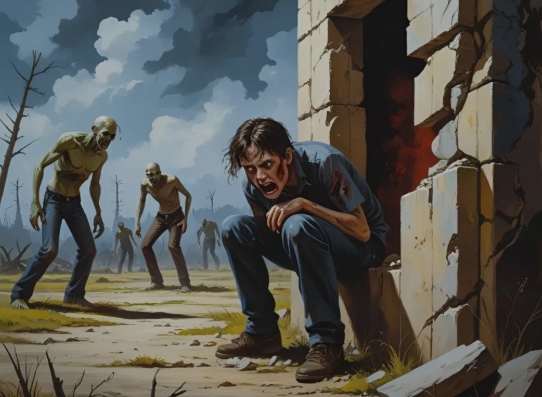
Dreams about zombies can feel unsettling, even disturbing, yet they are more than mere nightmares. These vivid, often recurring dreams are the mind’s way of processing stress, fear, and change. Whether you’re being chased by the undead, witnessing chaos, or transforming into a zombie yourself, each scenario carries symbolic weight. Sleep researchers and psychologists suggest that such dreams reflect emotional challenges, unresolved anxieties, or significant life transitions. By exploring zombie dreams with curiosity and care, we can uncover valuable insights about our subconscious mind, learn how we respond to perceived threats, and discover strategies for emotional resilience and personal growth.
Zombie dreams are a distinct category of dreams in which the imagery, emotions, or narrative involves zombies or zombie-like entities. Unlike typical nightmares—which may feature generic threats, falling, or being chased—zombie dreams carry unique symbolic and psychological undertones. The zombie often represents emotional numbness, unresolved stress, or a sense of impending danger that feels overwhelming but inescapable. Some dreams may depict being hunted by zombies, while others show the dreamer transforming into one, suggesting feelings of losing control or detachment from oneself. What makes them notable is how vividly they evoke fear, tension, or existential unease compared with standard nightmares.
Common Scenarios in Zombie Dreams
Zombie dreams can take many forms, each carrying its own psychological significance:
Frequency and Who Experiences The
Zombie dreams are more common than people realize, and research suggests they are influenced by stress, sleep patterns, and personality factors:
Zombie dreams don’t just play out in our minds—they often provoke intense emotional and physiological reactions, reflecting the brain’s intricate way of processing stress and perceived threats. Understanding these responses can help us make sense of why these dreams feel so real and, at times, unsettling.
Physiological Reactions
When your mind interprets a dream scenario as threatening—like being chased by zombies—it activates the body’s fight-or-flight response, even though you are asleep. Common physical reactions include:
Emotional Resonance
Zombie dreams often provoke strong emotional experiences, which can linger after waking:
Dream Recall and Reflection
How vividly you remember zombie dreams can also influence emotional impact:
Being chased by zombies is one of the most common zombie dream scenarios. These dreams often symbolize feelings of avoidance, anxiety, or being overwhelmed in waking life. The zombies may represent unresolved problems, emotional baggage, or responsibilities that feel inescapable. Running from them reflects your mind’s attempt to process fear while maintaining a sense of control. Interestingly, the outcome of the chase—escaping, being caught, or hiding—can provide insight into how you handle stress, confront challenges, and regulate emotions. Such dreams often leave lingering tension upon waking, but they also offer a subconscious rehearsal, helping the brain prepare for perceived threats and build emotional resilience.
| Dream Scenario | Possible Meaning | Emotional Insight |
|---|---|---|
| Being chased but escaping | Managing stress well, confronting fears gradually | Relief, empowerment |
| Being caught or attacked | Feeling overwhelmed or trapped by responsibilities | Anxiety, helplessness |
| Hiding from zombies | Avoiding confrontation or difficult emotions | Fear, denial, avoidance |
| Zombies moving slowly | Slow-burning stress or persistent challenges | Lingering worry, tension |
| Zombies moving quickly | Urgent pressure or sudden life changes | Panic, urgency, heightened anxiety |
Dreams where you transform into a zombie often reflect feelings of emotional numbness, loss of control, or disconnection from your own life. Unlike being chased, these dreams focus on the internal experience—symbolizing times when you may feel like you’re going through the motions without fully engaging with your emotions or decisions. Turning into a zombie can also indicate burnout, social isolation, or suppressed stress, suggesting your subconscious is highlighting areas where your mental or emotional energy is depleted. On a positive note, some dreamers interpret this transformation as a call to self-reflect, reset, and regain agency over their thoughts, emotions, or habits, turning an unsettling dream into a source of insight.
| Dream Scenario | Possible Meaning | Emotional Insight |
|---|---|---|
| Fully transformed into a zombie | Emotional numbness or feeling detached from life | Helplessness, fatigue |
| Partially transforming | Awareness of stress affecting behavior or emotions | Anxiety, self-reflection |
| Interacting as a zombie | Social disconnection or difficulty expressing feelings | Isolation, frustration |
| Regaining control after turning | Reclaiming agency over emotions or choices | Empowerment, resilience |
| Feeling fear while transforming | Fear of losing identity or personal autonomy | Insecurity, self-doubt |
Dreams where you confront and kill a zombie often symbolize empowerment, problem-solving, and the subconscious desire to overcome fear or stress. Unlike being chased or turning into a zombie, actively defeating one suggests that you are mentally processing challenges and taking steps to regain control. This type of dream may reflect a growing sense of resilience, determination, or readiness to confront issues in waking life—whether emotional, relational, or professional. Killing a zombie can also indicate the brain’s way of rehearsing handling threats safely, turning anxiety into a scenario where you emerge victorious. These dreams can leave you feeling strong, alert, and more prepared to face real-life pressures.
| Dream Scenario | Possible Meaning | Emotional Insight |
|---|---|---|
| Killing a zombie successfully | Overcoming fears or resolving stressful situations | Empowerment, confidence |
| Struggling to kill zombies | Difficulty confronting challenges or emotions | Frustration, determination |
| Killing many zombies | Tackling multiple stressors simultaneously | Resilience, mental preparedness |
| Using weapons or tools | Applying strategies or resources to solve problems | Resourcefulness, control |
| Feeling fear while killing | Anxiety about confronting difficult issues | Courage building, self-awareness |
Zombie dreams are not just abstract symbols; they often reflect real emotional experiences and challenges. Examining real-life cases can help illuminate their meaning and relevance.
Most dreams, including zombie-themed nightmares, are normal and serve a purpose in processing emotions, stress, and life changes. However, certain patterns signal that professional guidance may be beneficial. You should consider seeking help if any of the following occur:
Are zombie dreams a sign of a mental health disorder?
Not necessarily. Most zombie dreams are a normal part of how the brain processes stress, fear, and life changes. However, if they are frequent, intensely distressing, or interfere with daily life, consulting a mental health professional can be helpful.
Why do I dream of turning into a zombie?
Dreaming of transforming into a zombie often reflects feelings of emotional numbness, loss of control, or burnout. It can signal that your subconscious is highlighting areas where self-care or emotional attention is needed.
Can stress alone trigger zombie dreams?
Yes. High stress, anxiety, or major life changes can manifest in vivid zombie dreams. The brain often uses these scenarios as a safe rehearsal to process fears and perceived threats.
How can I remember zombie dreams more clearly?
Keeping a dream journal, reflecting immediately upon waking, and practicing mindful awareness of sleep patterns can improve recall and provide deeper insight into recurring themes.
Do zombie dreams have the same meaning for everyone?
No. While there are common psychological themes, individual experiences, emotions, and life circumstances shape the meaning of each dream. Context and personal reflection are essential for accurate interpretation.