Physical Address
304 North Cardinal St.
Dorchester Center, MA 02124
Physical Address
304 North Cardinal St.
Dorchester Center, MA 02124
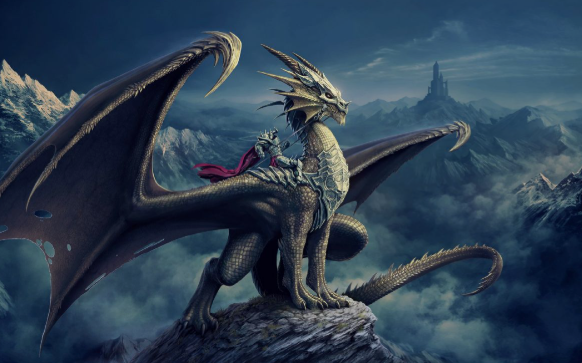
Dreams about dragons often feel vivid, intense, and unforgettable, leaving a lasting impression long after we wake. These mythical creatures can embody a wide range of emotions, from fear and anxiety to strength and empowerment. Understanding dragon dreams offers a window into the subconscious, revealing hidden thoughts, desires, and challenges. By exploring their symbolism and psychological roots, we can uncover insights about our inner world, helping us navigate emotions, personal growth, and the subtle messages our mind communicates while we sleep.
Dreams are the brain’s way of processing experiences, emotions, and memories, often blending reality with imagination. During REM sleep, the brain becomes highly active, consolidating information while allowing emotions and subconscious thoughts to surface. This stage creates vivid imagery, making dragons and other fantastical creatures appear as symbols of deeper psychological processes. Mythical beings in dreams often reflect universal archetypes, cultural stories, or personal experiences, shaped by both memory and imagination. While science cannot fully explain every detail, research shows that dreams help regulate emotions, solve problems, and integrate learning. By studying how and why we dream, we gain insight into the subconscious patterns that influence our daily behavior, emotional reactions, and creative thinking.
Dragon dreams often carry recurring themes that reflect emotional states and subconscious messages. Some common patterns include:
| Theme | Possible Interpretation |
|---|---|
| Threat or Guardian | Fear, challenge, or protection |
| Fire and Destruction | Anger, transformation, intense emotion |
| Flight and Escape | Avoidance, anxiety, desire for freedom |
| Interaction with Dragon | Empowerment, personal struggle, inner conflict |
| Size and Color | Emotional intensity, personality traits, hidden desires |
Dragon dreams often arise from a combination of emotional, psychological, and environmental factors. Stress and anxiety can trigger vivid dragon imagery, representing fears or unresolved conflicts. Life changes or personal challenges may manifest as dragons symbolizing obstacles or protective forces. Cultural influences, such as stories, movies, or myths, can shape the appearance and behavior of dragons in dreams. Additionally, subconscious processing plays a key role, as the brain integrates memories, desires, and emotions during sleep. Personal experiences, unresolved trauma, or suppressed feelings can all influence dragon symbolism. By recognizing these causes, we can better understand the messages embedded in these dreams and use them as tools for self-reflection, emotional awareness, and personal growth.
Dragon dreams can serve as mirrors for our emotions and personal growth. Reflecting on how you interact with the dragon whether fleeing, fighting, or taming it can reveal patterns in handling stress, fear, or ambition. Keeping a dream journal, noting details like dragon size, color, and behavior, helps uncover recurring themes. Mindfulness and self-reflection allow you to process these insights safely, while therapy or guided dream analysis can deepen understanding. Applying these lessons consciously may empower you to face challenges, embrace strengths, and transform fears into actionable personal growth.
| Action | Purpose / Insight |
|---|---|
| Dream journaling | Identify recurring themes and emotional patterns |
| Reflect on dragon interactions | Understand personal responses to fear or challenge |
| Mindfulness practice | Process emotions safely and build self-awareness |
| Therapy / dream analysis | Gain deeper psychological insights |
| Applying lessons consciously | Transform fears into personal growth and empowerment |
While most dragon dreams are symbolic and harmless, certain patterns may indicate deeper psychological concerns. Seek professional guidance if dreams are recurrent, intensely distressing, or disrupt sleep, causing anxiety or emotional strain during the day. Dreams that trigger persistent fear, panic, or intrusive thoughts may reflect unresolved trauma or heightened stress levels. Consulting a licensed mental health professional or sleep specialist can help explore underlying causes and provide coping strategies. Therapy approaches like cognitive behavioral therapy, dream analysis, or mindfulness-based interventions can offer structured support. Paying attention to these signs ensures that dragon dreams remain a tool for insight rather than a source of distress, supporting overall mental and emotional well-being.
What does it mean when I dream of a dragon?
Dreaming of a dragon often symbolizes power, fear, or inner conflict. The meaning depends on the dragon’s behavior, size, and your interaction with it.
Are dragon dreams always negative?
Not necessarily. Dragons can represent protection, strength, or personal growth, not just threats. Context and emotional response matter most.
Why do dragons appear in dreams?
Dragons emerge from the subconscious, shaped by stress, life events, cultural stories, and archetypes, reflecting unresolved emotions or challenges.
How can I interpret my dragon dream?
Keep a dream journal, note details like size, color, and interaction, and reflect on how it mirrors your emotional state or life situation.
Should I see a therapist about dragon dreams?
Seek professional help if dreams are recurrent, disturbing, or impacting daily life, especially when accompanied by anxiety, panic, or sleep disruption.
