Physical Address
304 North Cardinal St.
Dorchester Center, MA 02124
Physical Address
304 North Cardinal St.
Dorchester Center, MA 02124
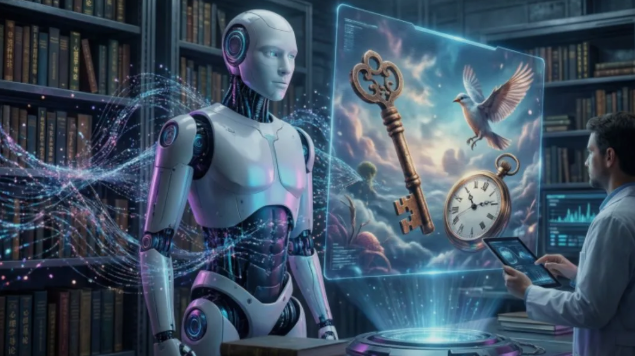
Dream meaning AI refers to artificial intelligence tools that analyze written dream descriptions and generate interpretations based on language patterns, symbolic databases, and psychological themes. These systems rely on large datasets and natural language processing to identify recurring motifs such as falling, being chased, or losing teeth, then match them with common emotional associations.
Its popularity reflects a larger cultural shift toward digital self reflection. People want insight that feels immediate, private, and accessible. In a world where therapy can be expensive or hard to access, dream meaning AI offers quick answers. Whether those answers provide depth, however, is a more complex question.
Dreams emerge from complex brain activity, especially during REM sleep, when neural circuits linked to emotion, memory, and imagination become highly active. The amygdala, which processes fear and emotional intensity, often lights up, while the prefrontal cortex, responsible for logic and self control, becomes less active. That imbalance explains why dreams feel vivid yet irrational.
From a cognitive perspective, dreaming helps the brain consolidate memories, regulate emotion, and rehearse possible future scenarios. It is not random noise. The brain weaves fragments of recent experiences, old memories, and unresolved feelings into narrative form. In short, dreams reflect how the mind organizes emotional information while the body rests.
Dream meaning AI can function as a tool for structured introspection, offering prompts that encourage cognitive exploration rather than fixed conclusions. For some users, it supports self referential processing, helping them notice emotional themes they may have overlooked. When approached with flexibility, it can act as a catalyst for reflection instead of a source of certainty.
Yet there are potential drawbacks. Overreliance may foster interpretive rigidity, where symbolic suggestions become perceived truths. In vulnerable individuals, especially those with anxiety or unresolved trauma, algorithmic interpretations may trigger affective amplification, intensifying emotional responses. Without personal context or relational nuance, digital analysis risks promoting meaning inflation, assigning psychological weight where careful discernment is needed.
Human insight operates through dialogue, emotional attunement, and lived experience. A trained therapist listens not only to the content of a dream but to tone, hesitation, personal history, and cultural background. Meaning unfolds through conversation. One question can shift the entire interpretation. Context shapes everything.
Algorithmic analysis, by contrast, relies on patterns across large datasets. Dream meaning AI can identify common symbols and probable associations, but it cannot feel the emotional weight behind them. Two people may dream of water, yet for one it signals renewal and for another it reflects trauma. Without relational understanding, interpretation remains surface level. Human insight adapts in real time. Algorithms calculate.
Dream meaning AI works best as a reflection tool, not a diagnostic authority. After receiving an interpretation, pause and ask yourself what genuinely resonates. Notice your emotional reaction. Does it feel insightful, neutral, or unsettling? Keep a dream journal to track patterns over time rather than relying on a single analysis. Avoid rigid conclusions, especially if the dream feels distressing or trauma related. If recurring nightmares cause anxiety, sleep disruption, or emotional distress, consult a licensed mental health professional. Technology can prompt awareness, but your lived experience remains the most reliable guide.
| Step | What To Do | Why It Matters | Warning Sign | Recommended Action |
|---|---|---|---|---|
| Reflect First | Check emotional response | Ensures personal alignment | Feels alarming | Pause interpretation |
| Journal Patterns | Track recurring themes | Identifies trends | Obsessive checking | Limit frequency |
| Avoid Absolutes | Treat as suggestion | Prevents rigid thinking | Taking it literally | Reframe as possibility |
| Monitor Distress | Notice anxiety levels | Protects mental health | Sleep disruption | Seek professional support |
The evolution of dream meaning AI will likely move toward integrative augmentation rather than replacement of human care. As systems become more refined, developers aim to improve contextual modeling and affective pattern detection, allowing interpretations to feel more nuanced. Still, no algorithm can replicate relational depth processing, the subtle exchange that occurs in therapeutic dialogue.
Ethical design must prioritize data stewardship frameworks and psychological safety, especially as deeply personal narratives enter digital ecosystems. Ideally, dream meaning AI will serve as a form of adjunctive reflective scaffolding, offering themes for exploration within therapy rather than definitive conclusions. The enduring center of meaning will remain grounded in human experience, empathy, and lived emotional complexity.
Is dream meaning AI scientifically accurate?
Dream meaning AI is not a scientifically validated diagnostic tool. It uses language patterns and symbolic databases to generate interpretations based on common themes. While some insights may feel meaningful, they are generalized associations, not personalized psychological assessments.
Can dream meaning AI replace therapy?
No. Dream meaning AI cannot replace therapy. A licensed mental health professional considers your history, emotional state, and life context. AI lacks empathy, relational understanding, and trauma sensitivity, which are essential for accurate interpretation.
Why do AI dream interpretations sometimes feel surprisingly accurate?
AI systems recognize common human experiences. Many dreams share universal themes such as fear, loss, or change. When an interpretation aligns with your current emotions, it can feel deeply personal, even if it is statistically generated.
Is it harmful to rely on dream meaning AI regularly?
Occasional use for reflection is generally harmless. However, frequent reliance may increase anxiety or create rigid beliefs about symbolic meanings. If dream interpretations begin to influence major decisions or heighten distress, it is wise to step back.
When should I seek professional help for my dreams?
If you experience recurring nightmares, trauma related dreams, sleep disruption, or persistent anxiety linked to dreaming, consult a licensed mental health professional. Dreams can reflect emotional processing, and ongoing distress deserves compassionate, expert support.
