Physical Address
304 North Cardinal St.
Dorchester Center, MA 02124
Physical Address
304 North Cardinal St.
Dorchester Center, MA 02124
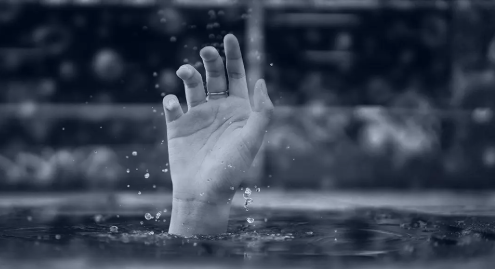
Dreams about drowning often leave you shaken because they activate one of the brain’s most primal fear responses. Air represents survival, so when a dream threatens your ability to breathe, your nervous system reacts as if the danger is real. Your heart may race. You may wake up gasping. The emotional charge lingers.
Drowning dreams also tap into feelings of helplessness and loss of control. Water surrounds you, closes in, and limits movement. Psychologically, that sensation mirrors moments in life when responsibilities, emotions, or pressure feel overwhelming. The intensity comes from both biology and symbolism working together during sleep.
• Drowning dreams can carry positive meaning when they signal emotional release. Feeling submerged may reflect a necessary confrontation with feelings you have avoided. In this sense, the dream represents inner cleansing and gradual awareness. Beneath the surface, subtle currents of growth and psychological integration may be unfolding.
• Surviving or being rescued often symbolizes resilience and support. It can point toward emerging strength, renewed coping skills, or the presence of reliable relationships. These dreams sometimes contain quiet undertones of hope and rebuilding.
• On the negative side, drowning may reflect emotional overload or internal crosscurrents that feel unmanageable. You may feel trapped in responsibilities or overwhelmed by expectations. The dream mirrors psychological suffocation rather than physical danger.
• Repetitive drowning imagery can suggest unresolved stress or persistent friction within your personal or professional life. If the emotional intensity lingers after waking, it may indicate deeper reverberations of anxiety that deserve attention and care.
Drowning in Water
Dreaming of drowning in water often reflects deep emotions or mounting stress. Water represents feelings, and when it overwhelms you, it usually mirrors emotional overload in waking life. You may be carrying responsibilities, unspoken worries, or internal pressure that feels difficult to contain.
Drowning in the Ocean
The ocean is vast and unpredictable. Drowning in the ocean can symbolize feeling lost in life or uncertain about direction. You might be questioning your path, identity, or long term goals. The size of the ocean often reflects the scale of the uncertainty.
Drowning in a River
A river moves quickly and rarely stops. Drowning in a river often points to life changes happening fast. You may feel pushed by circumstances rather than guided by choice. Transitions in career, relationships, or personal growth can create this sense of being swept away.
Saving Yourself from Drowning
If you rescue yourself, the dream usually signals resilience. It suggests you are finding strength, problem solving skills, or emotional clarity. Even if challenges remain, your mind recognizes your ability to cope.
Watching Someone Else Drown
Seeing another person drown may reflect concern for someone close to you. It can also symbolize feelings of helplessness when witnessing another person struggle emotionally or psychologically.
When exploring drowning in dream meaning, your present life circumstances often hold the clearest clues. Dreams about drowning rarely appear without context. They tend to mirror situations where you feel emotionally flooded, mentally stretched, or burdened by rising expectations. You may not consciously label it as stress, yet subtle undercurrents of pressure can accumulate beneath awareness.
If you feel trapped underwater in the dream, ask yourself where in life you feel restricted or unheard. Tight deadlines, strained relationships, or financial demands can create internal crosscurrents that leave you feeling off balance. Sometimes the dream highlights quiet friction between what you need and what others expect from you.
Drowning dreams may also surface during major transitions. Career shifts, personal losses, or identity changes can produce psychological aftershocks that feel disorienting. The mind uses water as a metaphor for emotion. When those emotions feel uncontained, the dream amplifies them. By gently examining your waking reality, you begin to decode what your inner world is signaling.
Occasional drowning dreams are common, especially during stressful periods. However, when the same dream repeats or carries intense fear night after night, it often signals unresolved emotional strain. The brain tends to replay threatening imagery when something feels unfinished or psychologically unsettled. These recurring dreams may reflect persistent undercurrents of anxiety that remain unaddressed during waking hours.
If you wake up breathless, tense, or disoriented, your nervous system is reacting as though the danger were real. Chronic stress, burnout, or suppressed emotion can create internal crosscurrents that surface during sleep. In some cases, repetitive drowning dreams connect to deeper friction related to trauma or prolonged insecurity.
Pay attention to how the dream evolves. Does the setting change? Do you struggle more, or begin to survive? These subtle shifts can reveal movement within your emotional landscape. If the distress continues for weeks or begins affecting daily functioning, seeking support from a mental health professional can help reduce both the dreams and the underlying tension.
• Pause and regulate your body. If you wake up anxious or breathless, sit upright and take slow, steady breaths. Inhale deeply through your nose and exhale slowly through your mouth. This helps calm the nervous system and signals safety to your brain.
• Write down the details. Record what happened, where you were, who was present, and how you felt. The emotional tone matters more than the water itself. Patterns often become clearer over time.
• Identify current stressors. Ask yourself where you feel overwhelmed, pressured, or emotionally flooded in waking life. Drowning dreams frequently mirror real life overload.
• Reflect without panic. A drowning dream is not a prediction. It is usually a symbolic expression of emotional strain or loss of control.
• Strengthen daily coping habits. Improve sleep hygiene, set boundaries, reduce unnecessary commitments, and practice stress management techniques such as mindfulness or gentle exercise.
• Seek support if needed. If the dreams are frequent, highly distressing, or connected to past trauma, speaking with a licensed mental health professional can provide clarity and relief.
Is dreaming about drowning a bad sign?
Not necessarily. Drowning dreams usually reflect emotional overwhelm, stress, or loss of control rather than a literal warning. The meaning depends on the emotional tone of the dream and your current life situation.
Why do I wake up gasping after a drowning dream?
During REM sleep, your brain activates emotional and survival circuits. If the dream feels threatening, your nervous system reacts as if the danger is real. That physical response can cause rapid breathing or a racing heart upon waking.
What does it mean if I survive drowning in my dream?
Surviving often symbolizes resilience and coping strength. It may reflect your ability to navigate stress or overcome a difficult period in your waking life.
Why do I keep having drowning dreams repeatedly?
Repetitive drowning dreams often signal ongoing stress, unresolved emotions, or chronic anxiety. Your mind may be trying to process something that feels unfinished or overwhelming.
Should I see a therapist about drowning dreams?
If the dreams are frequent, highly distressing, or connected to trauma, speaking with a licensed mental health professional can help you understand and reduce them.
