Physical Address
304 North Cardinal St.
Dorchester Center, MA 02124
Physical Address
304 North Cardinal St.
Dorchester Center, MA 02124
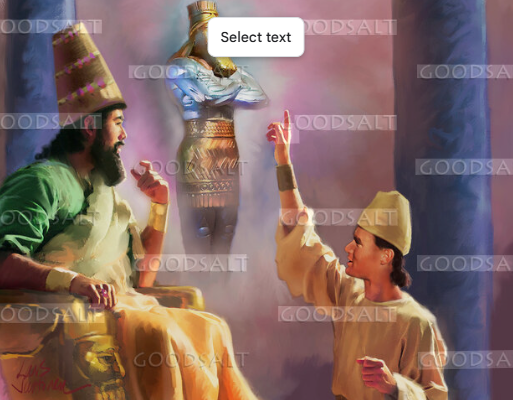
Nebuchadnezzar dream statue meaning continues to captivate readers because it speaks to more than ancient prophecy. This powerful vision, recorded in the Book of Daniel, presents a towering statue made of precious and fragile materials, suddenly shattered by a stone not shaped by human hands. On the surface, it describes kingdoms rising and falling. At a deeper level, it explores power, insecurity, identity, and the limits of control. In a world still driven by ambition and uncertainty, this ancient dream offers psychological insight and spiritual perspective that feel surprisingly relevant today.
• Nebuchadnezzar II ruled at the height of imperial power. As king of Babylon in the sixth century BCE, he commanded vast territories, controlled trade routes, and oversaw monumental building projects. Outwardly, he embodied strength and dominance. Yet history shows that even the most powerful rulers lived with constant political tension, threats of rebellion, and fear of instability. A troubling dream in such a context was not a small matter. It carried emotional and political weight.
• Babylon stood as a symbol of wealth, culture, and ambition. The city was known for architectural splendor, advanced administration, and religious devotion. It celebrated human achievement and imperial expansion. At the same time, it was a competitive, high pressure environment where kings had to prove legitimacy. Dreams were often viewed as divine communication, especially by leaders responsible for national security and prosperity.
• Dream interpretation held serious significance. Ancient Near Eastern cultures believed that dreams revealed messages from the divine realm. When the king demanded an explanation, it reflected more than curiosity. It revealed urgency, anxiety, and a desire for certainty in an unpredictable world.
• Nebuchadnezzar II was one of the most powerful rulers of the Neo Babylonian Empire. He reigned from approximately 605 to 562 BCE and expanded Babylon into a dominant political and military force. Through strategic warfare and territorial expansion, he secured control over large parts of the ancient Near East, including Jerusalem. His leadership shaped regional history for decades.
• He was both a military strategist and a master builder. Nebuchadnezzar strengthened Babylon’s infrastructure, rebuilt temples, and enhanced defensive walls. Ancient records associate his reign with large scale architectural projects that symbolized stability and grandeur. These public works reinforced his authority and projected an image of invincibility.
• He ruled in a time of constant pressure and political instability. Like many powerful leaders, he faced external threats and internal uncertainties. Absolute authority often comes with hidden anxiety. His famous dream, recorded in the Book of Daniel, reflects the psychological tension of maintaining power in an unpredictable world.
• The dream begins with a towering and magnificent statue. In the narrative recorded in the Book of Daniel, the king sees an enormous statue with a head of gold, chest and arms of silver, belly and thighs of bronze, legs of iron, and feet made partly of iron and partly of clay. The image is impressive, even intimidating. Each material decreases in value but increases in hardness, creating a strange mix of beauty and fragility. The statue represents layered power, strength built over time, yet not entirely stable.
• A mysterious stone changes everything. Without human involvement, a stone is cut out and strikes the statue at its weakest point, the feet of iron and clay. The entire structure collapses and shatters into dust. The wind carries the fragments away, leaving no trace. The stone then grows into a mountain that fills the whole earth. This dramatic shift transforms the dream from spectacle to revelation.
• The emotional impact is profound. The dream unsettles the king deeply. It is not just symbolic imagery. It confronts him with impermanence, vulnerability, and the limits of earthly power.
• The stone represents a force beyond human construction. In the narrative of the statue, every part of the image is crafted from recognizable materials associated with wealth, strength, and empire. The stone, however, is described as cut without human hands. This detail shifts the focus from political power to divine initiative. The stone symbolizes authority that does not depend on armies, economics, or status. It introduces the idea that ultimate sovereignty exists outside human systems.
• It strikes the weakest foundation. The stone does not hit the golden head or the iron legs. It strikes the feet made of iron mixed with clay, the most unstable part of the structure. This detail carries psychological depth. Even impressive structures often rest on fragile foundations. The stone exposes hidden instability and reminds readers that visible strength does not guarantee lasting security.
• It grows into something enduring. After the statue collapses, the stone becomes a mountain that fills the earth. The image suggests permanence replacing impermanence. The dream contrasts temporary human kingdoms with a kingdom rooted in endurance, moral order, and lasting authority.
Dreams centered on authority, dominance, or massive structures often carry a unique emotional charge because they activate the brain’s threat and reward systems at the same time. During rapid eye movement sleep, the emotional centers of the brain remain highly active, especially regions linked to fear, motivation, and memory. When a dream involves power, the mind is not just replaying status fantasies. It is processing control dynamics, unresolved hierarchies, and subtle feelings of exposure that we may not consciously acknowledge while awake.
Power dreams can also reflect what psychologists call internal dominance schemas, deeply rooted beliefs about strength, vulnerability, and survival. Even if someone does not consciously seek authority, the subconscious may still wrestle with issues of influence, competition, or personal agency. The intensity often comes from contrast. The dreamer feels elevated and threatened at the same time.
In many cases, these dreams surface during periods of transition or uncertainty. They signal not simple ambition, but a deeper negotiation with identity, stability, and perceived sovereignty in one’s own life.
Nebuchadnezzar’s dream statue meaning continues to resonate because it speaks to something far deeper than ancient prophecy. It quietly mirrors our modern relationship with ambition, status, and the fragile architecture of identity. We build careers, reputations, and social standing much like that towering statue, layer upon layer, convinced of their permanence. Yet beneath the surface often lies unease, a subtle awareness that structures built on control can fracture. The dream confronts what many people prefer not to examine, the tension between visible success and internal impermanence.
In a world driven by achievement, productivity, and external validation, the image of a powerful structure collapsing at its weakest point feels almost existential. It invites readers to question what truly sustains them when circumstances shift. Is it position, recognition, wealth, or something less tangible yet more enduring? The growing stone in the narrative suggests a different kind of foundation, one rooted in transcendence rather than dominance.
That is why this ancient dream still matters. It challenges the illusion of invulnerability and gently directs attention toward inner stability, humility, and values that outlast shifting empires, whether political or personal.
What is the core meaning of Nebuchadnezzar’s dream statue?
Nebuchadnezzar dream statue meaning centers on the rise and fall of earthly kingdoms and the temporary nature of human power. Traditionally, the statue represents successive empires, while the stone symbolizes a divine kingdom that endures. Psychologically, it can also reflect personal fears about instability, authority, and change.
Does the statue represent specific historical empires?
Many biblical scholars interpret the gold, silver, bronze, and iron as symbolic of major ancient empires that followed one another in history. While interpretations vary, the broader message remains consistent. No human system lasts forever.
What does the stone symbolize?
The stone is often understood as a symbol of divine authority that does not rely on human strength. It represents permanence, moral sovereignty, and a kingdom that outlasts political structures.
Is this dream only about prophecy?
Not necessarily. Beyond its prophetic interpretation, the dream also speaks to universal human themes such as pride, insecurity, transition, and the limits of control.
Why do people still study this dream today?
People continue to explore it because it addresses timeless concerns about power, identity, and stability. Its symbolism invites both spiritual reflection and psychological insight, which makes it relevant across generations.
