Physical Address
304 North Cardinal St.
Dorchester Center, MA 02124
Physical Address
304 North Cardinal St.
Dorchester Center, MA 02124
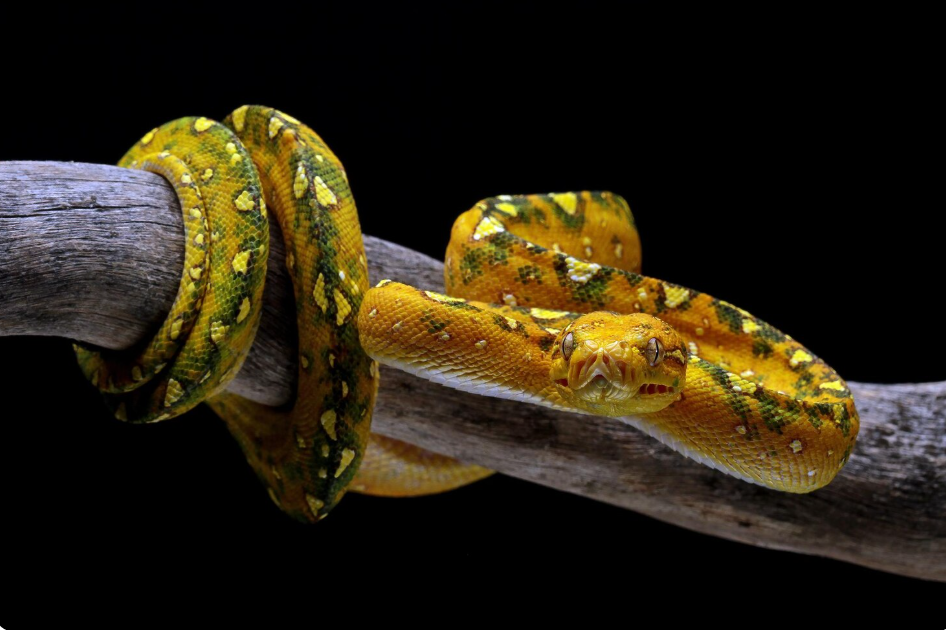
Snake dreams rarely feel neutral. People often wake with a racing heart, lingering unease, or a sharp sense that the dream meant something important. Even individuals who claim they are not afraid of snakes in waking life report unusually strong reactions. So why does this imagery carry such emotional weight?
The answer begins in the brain.
During REM sleep, the phase when most vivid dreaming occurs, the emotional centers of the brain remain highly active. The amygdala, which scans for threat and danger, does not fully power down. In fact, it can become more reactive. At the same time, the rational, decision making areas in the prefrontal cortex reduce their activity. That imbalance creates the perfect storm. Emotion runs high while logic takes a back seat.
Snakes tap directly into this ancient threat system. From an evolutionary standpoint, humans developed rapid visual detection for snake like shapes. Our ancestors who quickly noticed and avoided venomous animals survived. That wiring still lives in us. Even today, studies show that the human brain identifies snake images faster than many other neutral objects.
When a snake appears in a dream, the mind is not just showing you an animal. It activates a built in alarm system. The brain treats the symbol as potentially dangerous, even if the dream itself is symbolic rather than literal.
In psychological terms, a snake in a dream often represents something instinctive and emotionally charged. It may reflect fear, but not always obvious fear. Sometimes it signals latent tension, a subtle undercurrent of unease that has not fully surfaced. Snakes also symbolize transformation because they shed their skin, which mirrors personal growth or identity shifts. In certain contexts, they may point to repressed impulses or desires that feel uncomfortable to acknowledge. At other times, the snake embodies coiled awareness, a sense that something in your life requires attention before it escalates. The image rarely predicts danger. More often, it reveals what the mind is processing beneath conscious thought.
Yellow carries layered emotional meaning. It can reflect optimism, clarity, and intellect. Yet it also connects to caution and alertness. In dreams, yellow may signal heightened vigilance, suggesting your mind is scanning for subtle risks. It can hint at anxiety that feels bright and persistent rather than dark and heavy. Occasionally, yellow evokes fragile trust, especially in relational contexts. It may also represent awakening insight, a growing awareness that something is shifting internally.
When snake and yellow merge, the dream often points toward emerging discernment. It may signal transformation mixed with caution, growth intertwined with emotional sensitivity.
People often wake from a yellow snake dream and immediately wonder whether it signals something positive or negative. The honest psychological answer is this: it depends far more on your emotional experience than on the symbol itself.
Dreams do not operate in simple good versus bad categories. They reflect emotional processing. A yellow snake can represent caution, awareness, growth, anxiety, intuition, or unresolved tension. The meaning shifts based on context.
If the dream felt calm, neutral, or even empowering, it may suggest emerging clarity. Yellow often connects with alertness and mental awakening. In this case, the snake could symbolize transformation that you are beginning to handle with maturity and insight. You might be becoming more aware of your boundaries, your instincts, or subtle dynamics in relationships.
If the dream felt frightening or threatening, it may point to anxiety, mistrust, or emotional vulnerability. The snake can represent something that feels unpredictable. The yellow tone may amplify caution, highlighting a situation where you feel uncertain or guarded.
Instead of asking whether the dream is good or bad, ask how it made you feel. Your emotional response is the real compass.
| Dream Experience | Emotional Tone | Possible Psychological Meaning | Good or Bad? |
|---|---|---|---|
| Calmly observing the yellow snake | Neutral or curious | Growing awareness, intuitive development | Often positive |
| Being chased by the yellow snake | Fearful or anxious | Avoidance of stress, unresolved tension | Reflects distress, not prediction |
| Being bitten by the yellow snake | Shock or alarm | Sudden insight, emotional trigger, trust concerns | Emotionally intense but potentially clarifying |
| Killing or escaping the snake | Relief or empowerment | Regaining control, confronting fear | Often growth oriented |
| Repeated distressing snake dreams | Ongoing anxiety | Heightened stress or unresolved emotional conflict | Signals need for attention |
Dreaming of a yellow python carries a slightly different emotional tone than dreaming of a smaller snake. A python does not usually strike quickly. It coils, constricts, and slowly applies pressure. That detail matters psychologically.
A yellow python in a dream often reflects slow building pressure in waking life. You may feel gradually overwhelmed by responsibility, expectations, or emotional strain. Unlike sudden conflict, this kind of stress creeps in quietly. The mind chooses a python because it mirrors that steady tightening sensation.
The yellow color adds complexity. Yellow can represent awareness, intellect, and caution. Combined with a python, it may signal conscious recognition of a situation that feels restrictive. You might already know something is draining your energy, yet you have not acted on it. The dream can reflect contained tension, where emotions remain controlled on the surface but feel heavy underneath.
In some cases, a yellow python symbolizes transformation. Pythons shed their skin, and that image often relates to identity shifts. If the dream felt calm rather than frightening, it could represent measured transition. Growth does not always arrive with chaos. Sometimes it unfolds slowly, even uncomfortably, before clarity emerges.
If the python was wrapping around you, ask yourself where you feel constrained. Is it work pressure, relationship dynamics, or internal self criticism? If you observed the python from a distance, you may be developing awareness without feeling overwhelmed.
The key lies in the emotion. Did you feel panic, numbness, curiosity, or strength? The psychological meaning rests less in the animal itself and more in how your nervous system responded.
Dreaming of a yellow snake biting you can feel sharp and unforgettable. The bite often happens suddenly, which makes the emotional impact stronger. Many people wake up startled, sometimes even checking their body as if the sensation were real. That reaction tells us something important. The dream has activated your threat response.
Psychologically, a snake bite in a dream often represents emotional impact rather than physical harm. It can symbolize a moment that feels wounding, exposing, or revealing. Something in your waking life may have caught you off guard. It might be a comment, a realization, a conflict, or even an uncomfortable truth about yourself.
The yellow color adds nuance. Yellow frequently connects with awareness, caution, and mental clarity. A yellow snake bite may reflect sudden insight. In some cases, the bite represents an awakening rather than an attack. You may have recognized something you can no longer ignore. Insight can sting before it heals.
If the bite felt frightening, it may point to anxiety, mistrust, or fear of betrayal. You might feel emotionally vulnerable or uncertain about someone’s intentions. If the dream carried more shock than fear, it could symbolize unexpected information that disrupted your sense of stability.
Most yellow snake dreams reflect normal emotional processing. However, certain patterns suggest the dream deserves closer reflection, especially if it begins to affect your wellbeing.
After a vivid yellow snake dream, resist the urge to jump to dramatic conclusions. Instead, approach it with quiet curiosity. Begin with reflective decoding. Write down what happened, how the snake behaved, and what emotions surfaced. Often, small details reveal patterns connected to current stress, uncertainty, or personal growth.
Next, practice nervous system recalibration. If the dream left you unsettled, slow breathing, gentle stretching, or a short walk can help your body return to baseline. Dreams activate emotional circuits, and your body sometimes needs reassurance that you are safe.
Engage in contextual self inquiry. Ask yourself where in your life you feel cautious, alert, or quietly uneasy. The yellow element may point toward awareness rather than danger. You are not hunting for a hidden prophecy. You are observing your internal landscape.
Finally, cultivate measured integration. Instead of overanalyzing, consider one small, grounded action. That might mean having a conversation, setting a boundary, or simply acknowledging a feeling you have avoided. Insight becomes useful only when it translates into steady, intentional steps forward.
Is dreaming of a yellow snake a bad omen?
No. From a psychological perspective, dreams are not omens. A yellow snake usually reflects emotional processing. It may symbolize caution, awareness, anxiety, or personal growth. The emotional tone of the dream matters more than the image itself.
Why do yellow snake dreams feel so real?
During REM sleep, the brain’s emotional centers remain highly active while rational thinking decreases. This imbalance makes threat related imagery feel vivid and intense. Snakes naturally activate our instinctive alert system, which increases realism.
Does a yellow snake dream mean someone will betray me?
Not necessarily. While yellow can symbolize caution or trust concerns, the dream more often reflects internal insecurity or fear rather than an external event. It may highlight sensitivity around trust, not a guaranteed betrayal.
What if I am not afraid of snakes in real life?
Even if you are comfortable with snakes while awake, your brain still associates snake imagery with instinctive alertness. The dream symbol works at a subconscious level, independent of your conscious preference.
When should I be concerned about repeated yellow snake dreams?
If the dreams are frequent, distressing, or disrupting your sleep, they may signal ongoing anxiety or unresolved stress. In that case, focusing on stress management or speaking with a mental health professional can be helpful.
