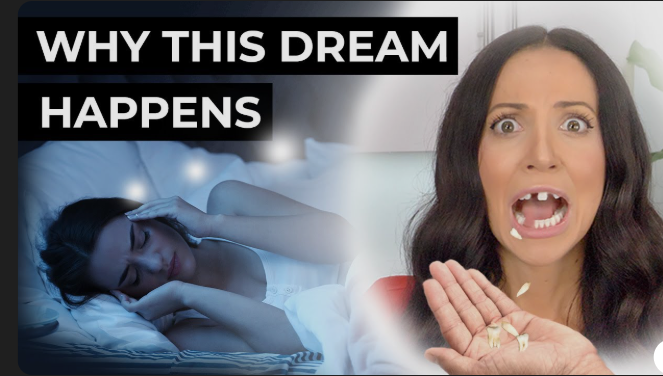
Dreams about losing teeth often feel vivid, physical, and unsettling. You may wake up anxious, checking your mouth in relief. The realism comes from how deeply teeth connect to identity, appearance, and control. When they fall out in a dream, the emotional impact lingers because it touches something personal and vulnerable.
What Is the Teeth Falling Out Dream Meaning?
The teeth falling out dream meaning is rarely literal. In clinical psychology and sleep research, this dream is understood as a symbolic expression of emotional tension, vulnerability, or perceived loss of control. Teeth represent strength, identity, communication, and appearance. When they fall out in a dream, the mind is often translating internal stress into a vivid physical image.
- Anxiety and internal pressure
This dream frequently appears during periods of heightened stress. The subconscious may be processing performance pressure, unresolved conflict, or fear of failure.
- Fear of judgment or embarrassment
Teeth affect how we speak and smile. Their loss in a dream can reflect concerns about how others perceive us or fear of public exposure.
- Loss of control
Teeth falling out often happens suddenly in the dream. This mirrors waking situations where events feel unpredictable or outside personal control.
- Life transitions and change
Major changes such as career shifts, relationship endings, or aging can trigger symbolic dreams of loss.
- Communication struggles
Difficulty expressing thoughts or emotions may manifest symbolically through the mouth and teeth.
Ultimately, this dream does not predict events. It reflects the emotional landscape of the dreamer at that moment in life.
How Common Is This Dream Across Cultures
The teeth falling out dream meaning is not limited to one country, age group, or belief system. Research in dream psychology consistently ranks this theme among the most frequently reported dreams worldwide. Its global presence suggests that it reflects shared human concerns rather than isolated superstition.
- Universal human anatomy
Every culture recognizes teeth as essential for survival, communication, and appearance. Because teeth carry practical and social importance everywhere, their loss becomes a powerful symbolic image across societies.
- Shared emotional themes
Anxiety, aging, embarrassment, and fear of loss are universal human experiences. Dreams often convert these emotional states into physical metaphors. Teeth provide a dramatic and easily understood symbol.
- Cultural interpretations differ, core emotion remains
In some traditions, losing teeth in dreams is linked to omens or family concerns. In modern psychology, it is interpreted as stress or insecurity. While explanations vary, the underlying emotional intensity remains consistent.
- Developmental significance
Teeth loss is one of the first major physical changes humans experience in childhood. That early memory may strengthen its symbolic impact in adulthood dreams.
The widespread occurrence of this dream highlights a shared psychological language rooted in vulnerability and change.
What Happens in the Brain During These Dreams
To truly understand the teeth falling out dream meaning, we need to look at what the brain is doing during sleep. These dreams usually occur during REM sleep, the stage most closely associated with vivid imagery and emotional processing. During this phase, the brain is highly active, yet the body remains still.
- Heightened activity in emotional centers
The amygdala, which processes fear and emotional intensity, becomes more active during REM sleep. This increases the emotional charge of dream content.
- Reduced logical control
The prefrontal cortex, responsible for rational thinking and judgment, becomes less active. This explains why dramatic scenarios like teeth falling out feel believable in the moment.
- Memory integration
The hippocampus works to consolidate memories. Emotional experiences from recent days may blend with older memories, creating symbolic imagery.
- Stress hormone influence
Elevated stress levels during waking life can intensify REM activity. The brain may convert psychological tension into physical metaphors.
- Sensory simulation
The brain’s sensory regions can simulate physical sensations, which is why the dream feels so real.
These neurological processes work together to transform emotional stress into powerful symbolic experiences during sleep.
Stress Hormones and Dream Intensity
Stress hormones strongly influence how vivid and emotionally charged dreams become. When the body carries unresolved tension into sleep, the brain does not simply switch it off. Instead, it processes that stress symbolically.
- Elevated cortisol levels
Chronic stress increases cortisol, which can disrupt normal sleep cycles and intensify REM activity.
- Heightened physiological arousal
Even during sleep, the nervous system may remain partially activated, making dream imagery feel urgent and real.
- Emotional memory activation
Stress strengthens emotional memory encoding, which increases the likelihood of dramatic dream themes.
- Amplified threat perception
The brain becomes more sensitive to perceived danger, even symbolic danger.
Psychological Interpretations of Teeth Falling Out Dreams
From a clinical psychology perspective, the teeth falling out dream meaning reflects emotional states rather than physical health concerns. Dreams translate abstract stress into concrete imagery. Teeth, because of their link to identity and survival, become a powerful symbol.
- Anxiety and performance pressure
This dream often appears during high responsibility periods. Exams, presentations, financial strain, or major decisions can trigger subconscious fears of failure.
- Self image and confidence concerns
Teeth shape how we smile and speak. Their loss in a dream may signal worries about attractiveness, aging, or social acceptance.
- Fear of losing control
The sudden crumbling of teeth mirrors situations where life feels unstable or unpredictable.
- Communication difficulties
The mouth represents expression. If someone feels unheard or unable to say what they truly think, this tension may surface symbolically.
- Transition and personal change
Major life shifts can create internal uncertainty. The dream may represent shedding an old identity.
Importantly, no single interpretation fits everyone. Context matters. The emotional tone of the dream and the dreamer’s current life circumstances provide the clearest clues.
Emotional Experience During the Dream
The emotional intensity of this dream often matters more than the imagery itself. The teeth falling out dream meaning becomes clearer when we examine how the dream feels from the inside. Most people report powerful, immediate emotions that linger even after waking.
- Shock and panic
The sudden sensation of teeth loosening or breaking often triggers an immediate fear response. The brain interprets it as physical danger.
- Shame and embarrassment
Many dreamers describe trying to hide their mouth from others. This reflects fear of social exposure or humiliation.
- Helplessness
Teeth falling out cannot be stopped in the dream. That loss of control mirrors waking situations where a person feels powerless.
- Anxiety about appearance
Because teeth affect how we look and speak, their loss may reflect insecurity about identity or aging.
- Sadness or grief
In some cases, the dream carries a quiet sense of loss, suggesting emotional transitions or endings.
The emotional tone acts as a diagnostic clue. When we pay attention to how the dream makes us feel, we often uncover the real stressor beneath the surface.
Cultural and Historical Perspectives
The teeth falling out dream meaning has existed long before modern psychology offered scientific explanations. Across cultures and historical periods, people have tried to interpret this powerful image through the lens of their beliefs, values, and fears. While interpretations differ, the emotional weight of the dream remains consistent.
- Ancient omen interpretations
In several traditional societies, losing teeth in a dream was seen as a warning sign, sometimes linked to illness, family concerns, or major life changes. These interpretations reflected cultural anxieties about loss and survival.
- Folklore and superstition
Some cultures associated the dream with bad luck or impending news. These symbolic readings often mirrored collective fears rather than individual psychology.
- Early psychoanalytic theory
Freudian perspectives connected tooth loss dreams to suppressed anxiety and internal conflict. Later theorists expanded the view to include themes of power and identity.
- Modern psychological science
Contemporary research moves away from superstition and focuses on stress, emotional processing, and symbolic cognition.
Although explanations have evolved, one constant remains. This dream reflects vulnerability and change, shaped by both personal experience and cultural narrative.
The Deeper Psychological Meaning: Identity, Power, and Personal Change
Beyond surface anxiety, the teeth falling out dream meaning can reflect deeper questions about identity and personal power. Teeth symbolize strength, maturity, and the ability to “bite into” life. When they fall out in a dream, the image may represent a perceived loss of stability or confidence during important transitions.
- Identity shifts
Major life changes such as career transitions, parenthood, aging, or relocation can challenge how we see ourselves. The dream may symbolize shedding an old version of identity.
- Personal power and control
Teeth allow us to chew, speak, and assert ourselves. Their loss may reflect feeling silenced, overlooked, or weakened in waking life.
- Fear of aging or decline
Because teeth are associated with youth and vitality, the dream can surface concerns about physical aging or long term security.
- Developmental symbolism
Humans naturally lose teeth during childhood. The subconscious may draw on this early memory to represent growth or emotional maturation.
- Existential reflection
At times, the dream invites deeper reflection about change, impermanence, and resilience.
This perspective moves beyond stress alone and explores how the dream mirrors personal evolution and psychological growth.
Frequently Asked Questions About Teeth Falling Out Dream Meaning
Is the teeth falling out dream meaning always related to anxiety?
Not always, but anxiety is one of the most common triggers. This dream frequently appears during periods of stress, pressure, or uncertainty. However, it can also reflect life transitions, identity shifts, or communication struggles. The emotional tone of the dream and your current circumstances provide the most accurate clues.
Does dreaming about teeth falling out predict something bad?
No. There is no scientific evidence that this dream predicts illness, death, or bad luck. Modern psychology understands dreams as reflections of internal emotional processing, not future events. The brain uses symbolic imagery to work through stress and change.
Can physical factors like teeth grinding cause this dream?
Yes, in some cases. Bruxism, jaw tension, or dental discomfort during sleep can influence dream imagery. The brain may incorporate physical sensations into the storyline, making the experience feel more realistic.
Why does the dream feel so vivid and real?
During REM sleep, emotional brain regions are highly active while rational control decreases. This combination makes dramatic imagery feel believable and intense.
Should I see a therapist if the dream keeps repeating?
If the dream is frequent, distressing, or linked to ongoing anxiety, speaking with a mental health professional can help explore underlying stress patterns and coping strategies.